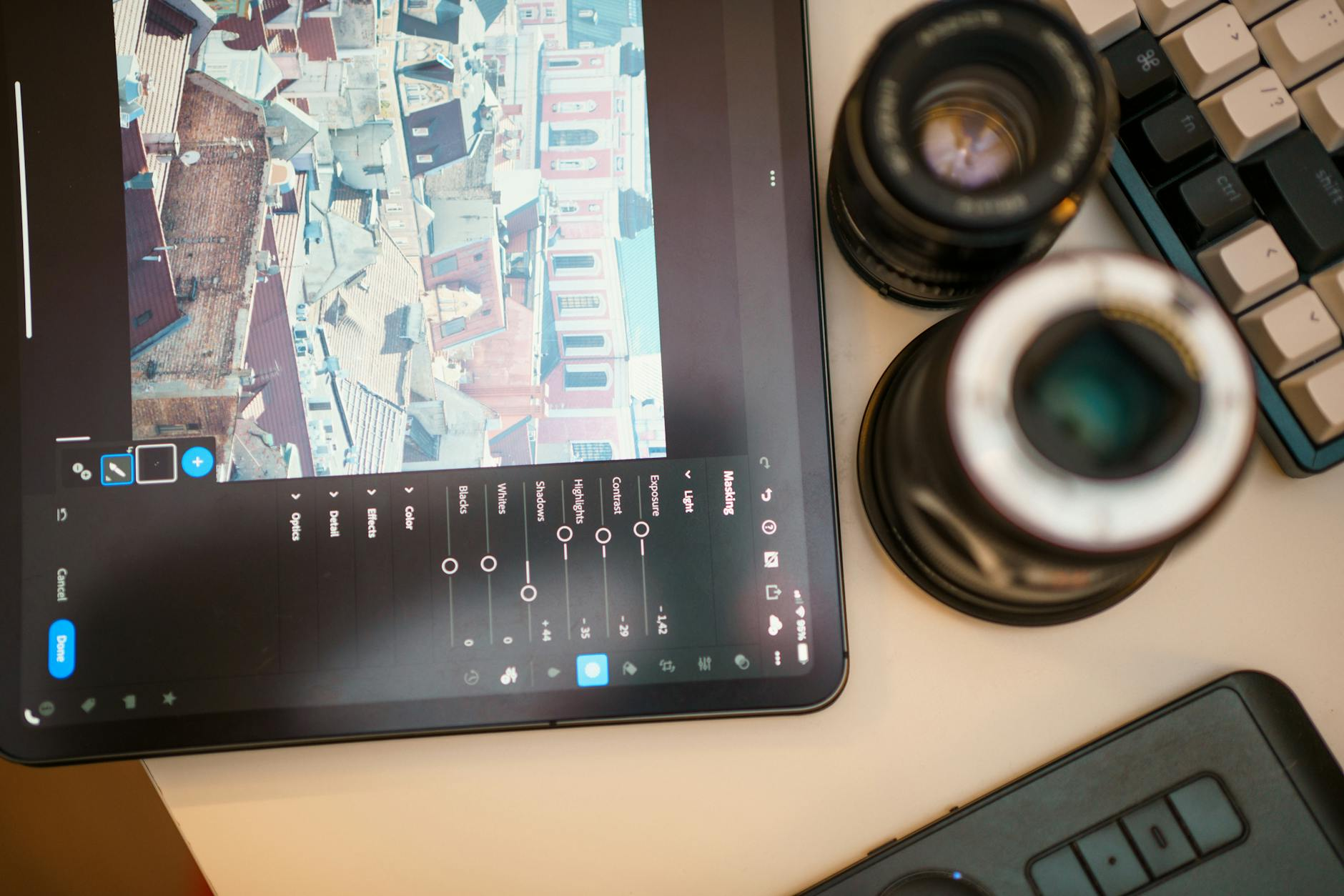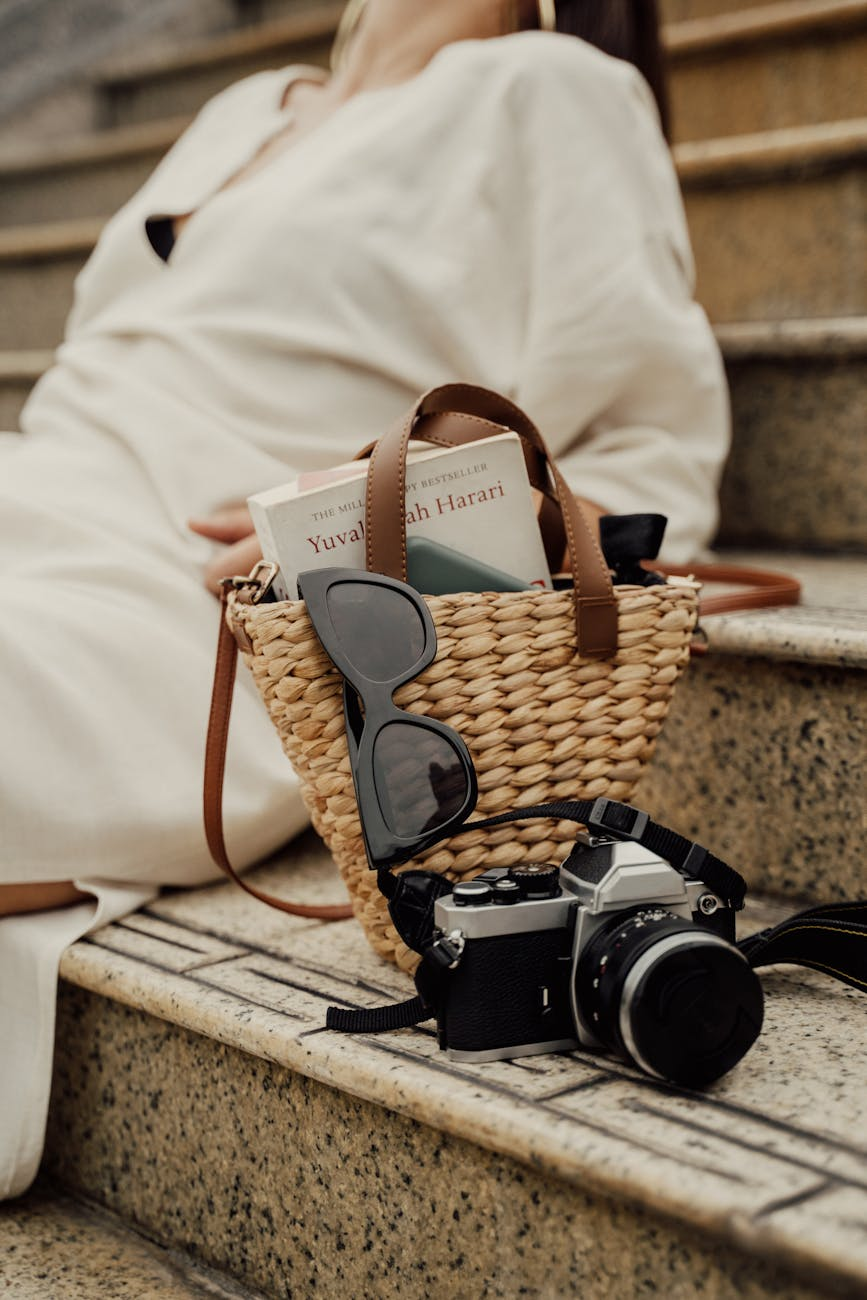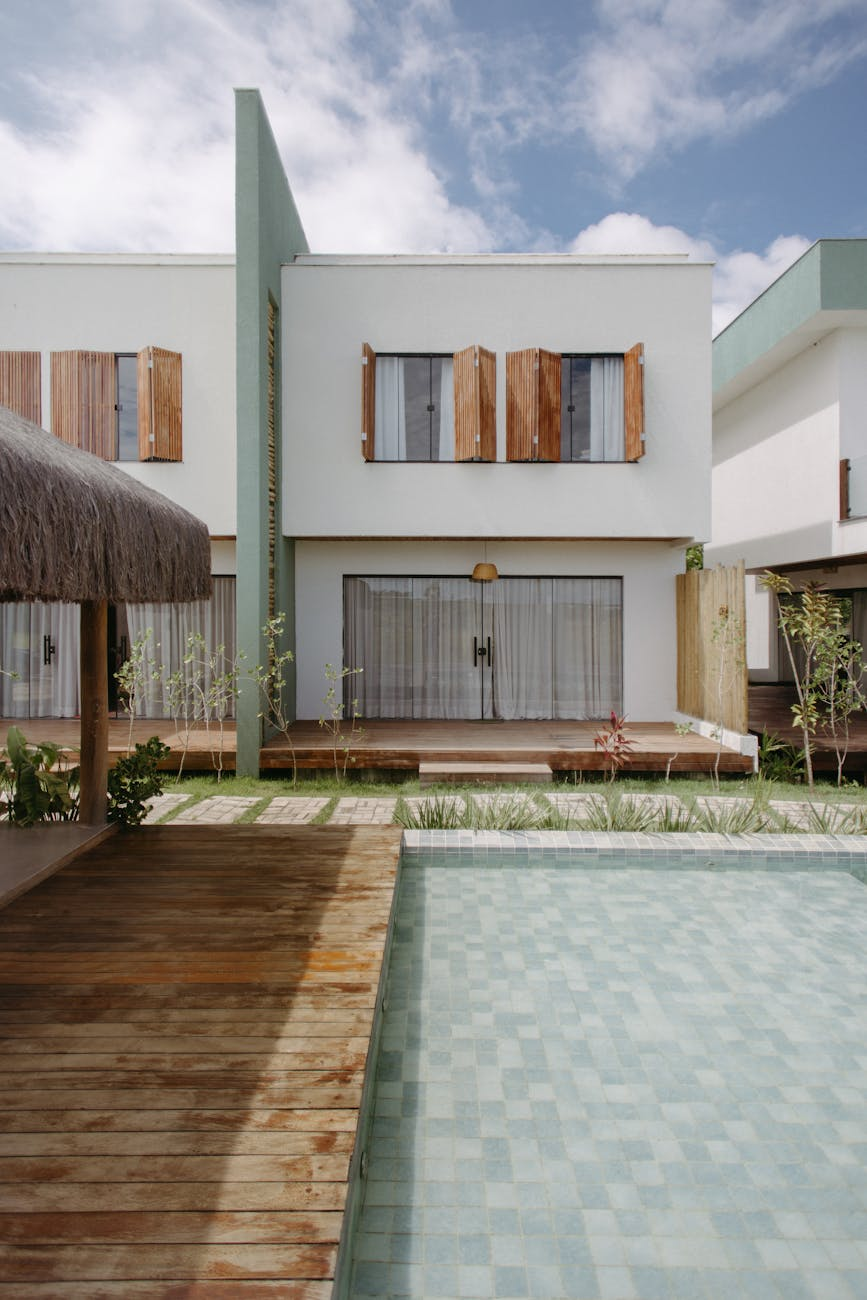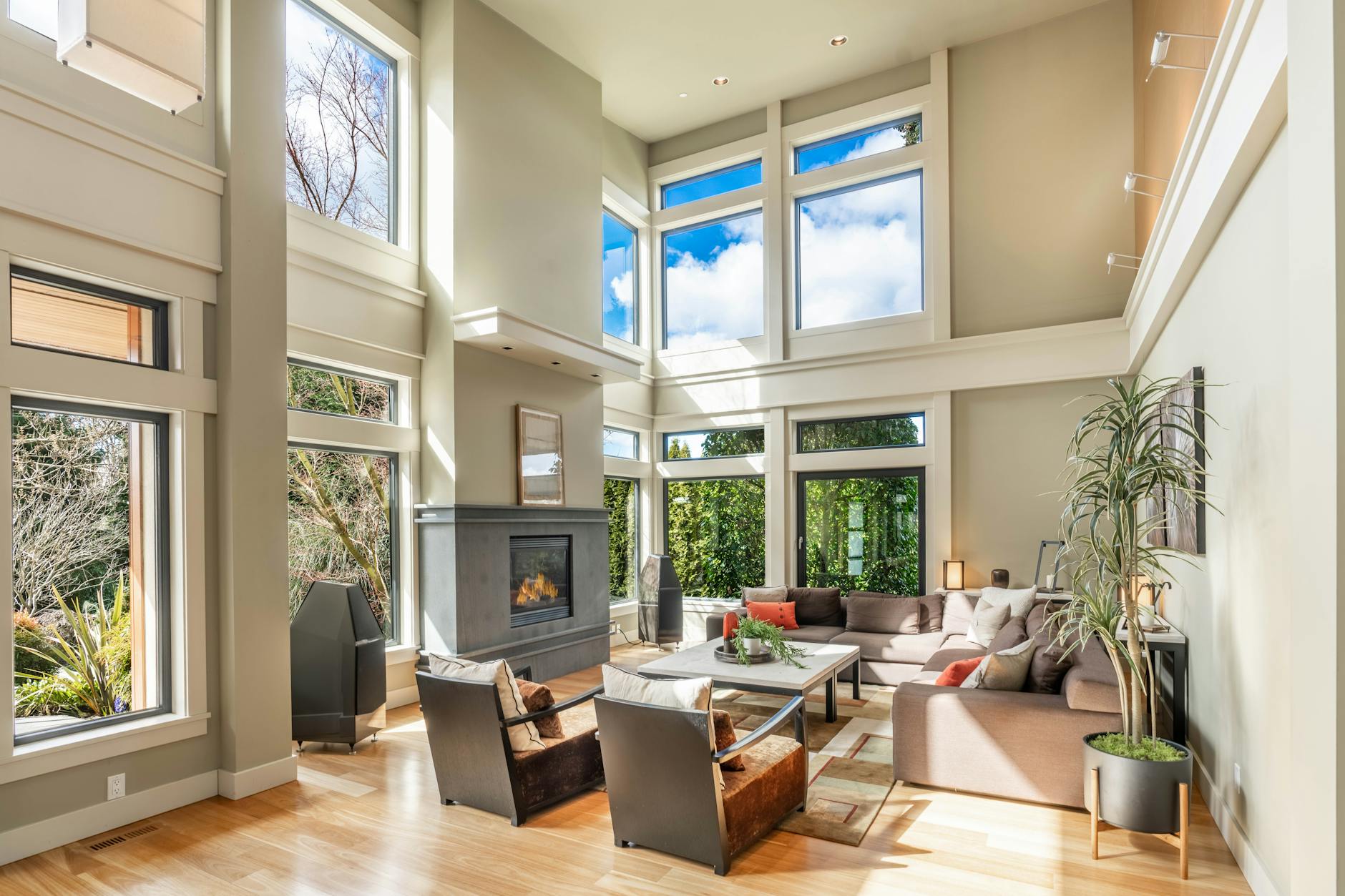
As a media creator, the biggest misconception I see is the assumption that “property photography is property photography.” In reality, the visual strategy shifts dramatically depending on whether I’m shooting a residential listing, a short‑term rental, or a boutique hotel or resort. Each category has its own goals, audience expectations, and storytelling needs—and the media has to match that purpose.
Real estate photography is built on accuracy and clarity. Short‑term rental content leans into lifestyle and emotional appeal. Boutique hotel and resort media demands elevated storytelling, brand cohesion, and a sense of experience. The differences aren’t subtle; they shape every decision from lighting to composition to how I approach the space.
Real Estate Photography: Accuracy, Clarity, and Marketability
Real estate photography is the most straightforward of the three, but it’s also the most technical. The goal is to present the property honestly and attractively so buyers can understand the layout, scale, and condition. Every image needs to feel clean, neutral, and informative.
This style prioritizes wide shots, balanced lighting, and minimal artistic interpretation. I’m documenting the space more than I’m interpreting it. The MLS has strict standards, and buyers expect consistency. The challenge is to make the home look its best without altering reality. It’s a discipline rooted in precision.
Short‑Term Rental Photography: Lifestyle, Personality, and Guest Experience
Short‑term rental media shifts the focus from “what the space is” to “how the space feels.” Guests aren’t buying a property—they’re buying a temporary lifestyle. That means the visuals need to communicate comfort, charm, and the unique personality of the stay.
Here, I blend real estate accuracy with hospitality storytelling. I still capture the layout, but I also highlight the details that make the stay memorable: the cozy reading nook, the curated coffee bar, the firepit at sunset. STR content thrives on warmth and relatability. It’s less about perfection and more about atmosphere.
This is where faceless lifestyle content becomes powerful. A hand pouring coffee, a suitcase by the door, a towel draped over a chair—these subtle cues help guests imagine themselves in the space.

Boutique Hotel & Resort Photography: Elevated Storytelling and Brand Identity
Boutique hotels and resorts operate on a completely different level. The visuals aren’t just selling a room; they’re selling a brand, a feeling, and an experience. Every image must align with the property’s identity—luxury, adventure, relaxation, design‑forward, or wellness‑focused.
This style requires a blend of editorial photography, lifestyle storytelling, and commercial precision. I’m not just capturing spaces; I’m capturing the essence of the stay. Lighting becomes more dramatic, compositions more intentional, and the narrative more immersive.
Resort media often includes multiple layers: architecture, amenities, dining, spa experiences, staff interactions, and the surrounding environment. It’s a full visual ecosystem, and every piece needs to feel cohesive.
How a Media Specialist Adjusts Strategy for Each Property Type
The biggest shift between these categories is the intention behind the imagery. Real estate is informational. STRs are emotional. Boutique hotels and resorts are experiential and brand‑driven.
As a creator, I adjust my approach accordingly—how I light the space, how I style it, how I time the shoot, and how I build the story. The same room could be photographed three completely different ways depending on the audience and the purpose.
Understanding these nuances is what elevates property media from “nice photos” to strategic visual marketing. And for owners, managers, and hosts, choosing the right style of photography is one of the most important decisions they can make for their business.